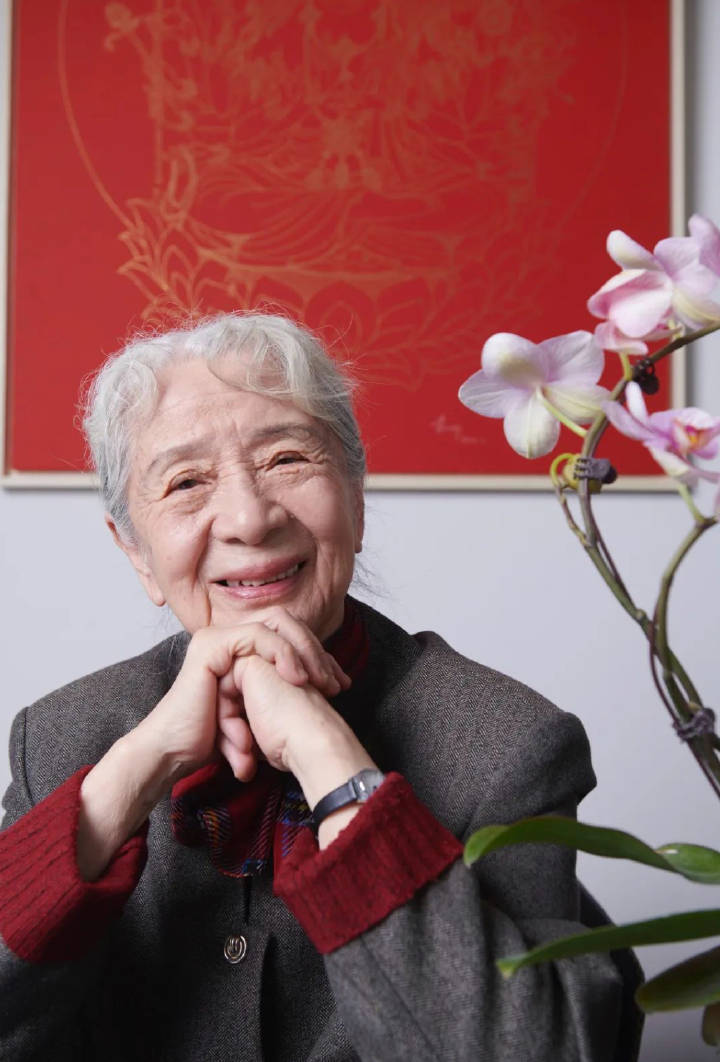
Chang Shana
Introduction
Chang Shana is a distinguished artist and scholar renowned for her lifelong dedication to the art and culture of Dunhuang. Born in France, she has played a pivotal role in reviving ancient Chinese art forms and patterns, integrating them into contemporary design practices. Her work has significantly enriched modern art and design by bringing the vibrant colors and intricate motifs of Dunhuang to a wider audience. Throughout her career, Chang Shana has been acknowledged not only for her artistic contributions but also for her scholarly efforts in cataloging and preserving the rich heritage of Dunhuang art. Her unique approach to art and design, combined with a profound understanding of traditional aesthetics, has earned her a revered place in the history of modern Chinese art.
Early Life and Education
Chang Shana was born in France, a testimony to her early exposure to diverse cultures, before her family returned to China. Her father, Chang Shuhong, a celebrated painter and the founding director of the Dunhuang Academy, profoundly influenced her artistic direction. At the age of 12, Chang Shana joined her father in the remote caves of Dunhuang, where she was introduced to the world of ancient murals and Buddhist statues. The harsh environment of Northwest China presented challenges, yet these early experiences in the Mogao Caves were pivotal in shaping her artistic perspective. She began to study and replicate the intricate murals under her father's guidance, who himself was a graduate of the prestigious Ecole nationale superieure des Beaux-Arts in Paris.
Despite the lack of formal art school training, the Dunhuang caves served as Chang Shana's primary educational institution. Her apprenticeship involved not only copying murals but also learning from the academy's staff and visiting artists. The profound beauty and historical significance of Dunhuang art deeply enriched her spiritual and artistic growth, laying a solid foundation for her future endeavors in art and design. This unique upbringing instilled in her a strong commitment to preserving and promoting Dunhuang's cultural legacy, a mission she would carry throughout her life.
Career
Chang Shana's career is marked by her exceptional contributions to art and design, drawing heavily from the ancient motifs she studied in Dunhuang. Her early works, especially her accurate reproductions of Dunhuang murals, garnered attention and paved the way for her involvement in significant national projects. In the late 1950s, Chang was selected to participate in the design of the Great Hall of the People in Beijing, a prestigious opportunity that highlighted her burgeoning influence in the Chinese art community.
Art and Design Contributions
Chang's designs are characterized by a seamless integration of traditional Chinese patterns with modern aesthetics. Her work often includes symmetrical floral motifs and a vibrant color palette derived from Dunhuang art, which she applied to various mediums such as porcelain, enamel ware, and textiles. During the construction of the Great Hall of the People, her innovative approach to design was exemplified in her work on the state banquet room's ceiling, where she harmonized traditional Dunhuang patterns with architectural functionality.
Renowned architect Lin Huiyin's influence encouraged Chang to incorporate historical Chinese art into industrial design, a vision she realized through projects like the design of silk scarves for international delegates. These creations not only showcased her ability to modernize classical motifs but also elevated the international profile of Chinese design.
Academic Involvements
Chang Shana's academic career is equally distinguished. She served as a faculty member and later as the dean of the Central Academy of Arts and Design, now part of Tsinghua University. In these roles, she was instrumental in fostering a greater appreciation for Dunhuang art among new generations of artists and designers. Her academic work involved extensive research and documentation of Dunhuang motifs, which she compiled into educational catalogs. These efforts have been crucial in preserving and disseminating the rich artistic vocabulary of Dunhuang, making it accessible to scholars and artists worldwide.
Legacy and Influence
Chang Shana's legacy is deeply intertwined with the preservation and revitalization of Dunhuang art. Her lifelong dedication to this cultural heritage has inspired countless artists and designers to explore and integrate traditional elements into modern practices. Her influence extends beyond her own creations; through her teaching and scholarly work, she has equipped a new generation of artists with the tools to continue Dunhuang's artistic legacy. Chang's vision of harmonizing historical art with contemporary design continues to resonate, ensuring that the beauty and significance of Dunhuang art remain vibrant and influential in the cultural landscape.








